Skip to content
Bouchons

Wine drinking window: open each bottle at the right time

A wine changes in the bottle. It improves for a few years, reaches its peak, then declines, faster or slower depending on the wine. Knowing where each bottle stands saves you from opening a great wine too early, or finding too late the one you were keeping for an occasion.

The drinking-window timeline of three wines from the demo cellar: one to open first, one ready to drink and one to let sleep, each with its peak and the current year.

Open firstChâteau Chasse-Spleen 2012

Drinking window 2018 to 2025, peak 2021, it is now 2026.

2018–2025

Ready to drinkDomaine Weinbach 2020

Drinking window 2024 to 2032, peak 2028, it is now 2026.

2024–2032

Let them sleepDomaine Alain Graillot 2022

Drinking window 2027 to 2034, peak 2030, it is now 2026.

2027–2034
  • Nothing to install: in your browser, on phone and computer
  • One-click Google sign-in
  • Export your cellar as CSV, any time
  • In English and French

What is a wine's peak?

It's the stretch of time when a wine is at its best. Fresh fruit has given way to more complex notes, forest floor, leather, dried fruit or spice depending on the wine. The tannins have softened and everything feels seamless. It isn't a precise date: it's a window of a few years for most wines, one or two decades for the greatest.

Before that window, a wine built to age can taste closed, hard or oaky. Opened too early, a great Bordeaux mostly shows its tannins: a pity, nothing worse. After it, the fruit fades, the acidity sticks out or the wine oxidises, and that can't be undone. In between, the margin is often wider than people think, and a wine slightly before or after its peak is still very good.

Many wines aren't meant to wait. Most of what we buy is best within two or three years: a summer rosé, a Muscadet, a Beaujolais-Villages, most everyday wines. Ten years in the cellar won't improve them. The peak matters most for bottles put aside on purpose, and those are exactly the ones you're most afraid of missing. If you're unsure about a bottle, the back label, the price and the appellation usually give a good hint: a wine sold to be opened tonight rarely claims ten years of ageing.
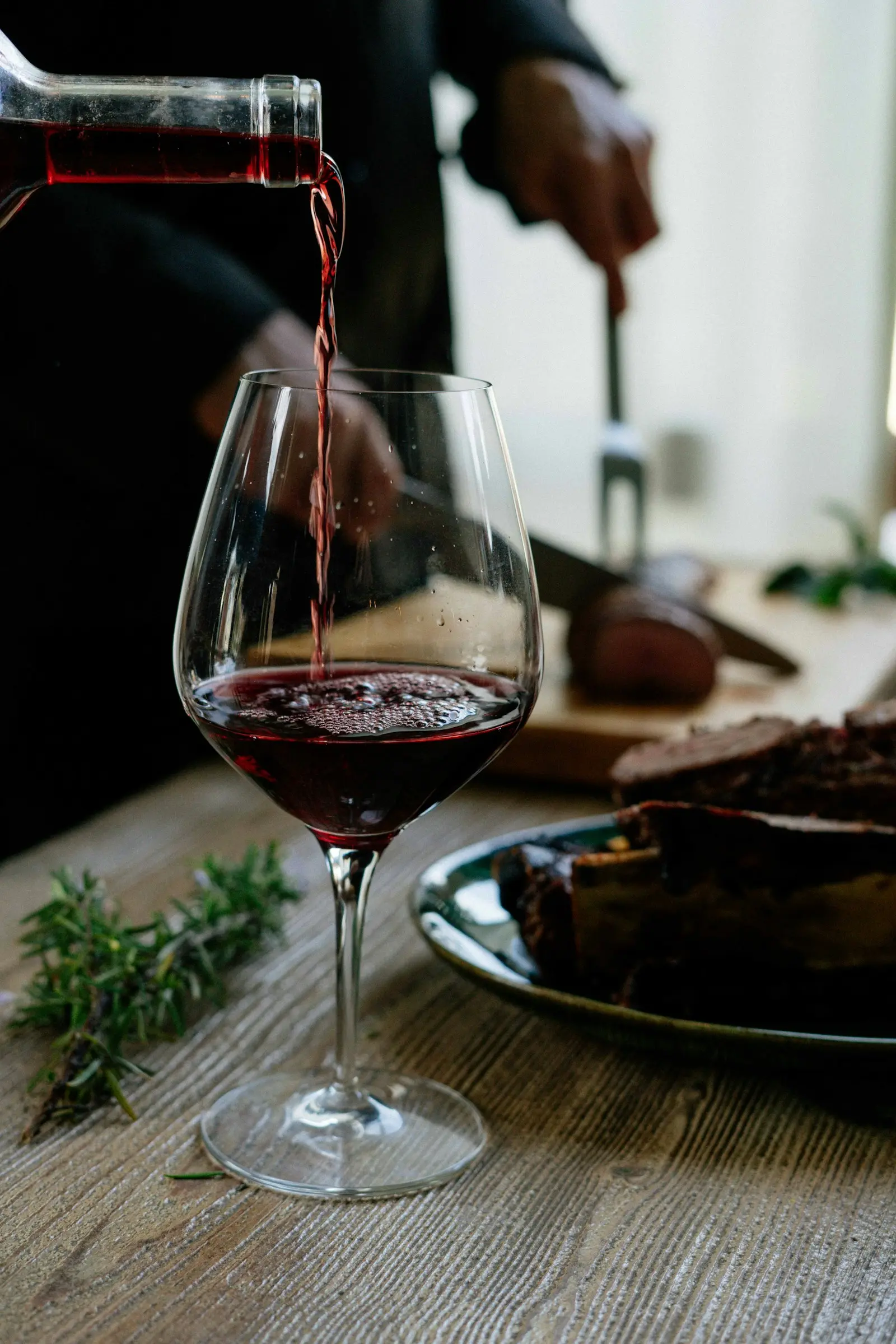
Red wine poured into a glass.

What gives a wine its ageing potential

Structure first. Acidity, tannin and sugar protect a wine from time. Acidity keeps it alive: a Riesling or a Loire Chenin can age for a long time. The tannins of red grapes, Cabernet Sauvignon or Nebbiolo for instance, soften slowly in the bottle. Sugar preserves, and a Sauternes or a sweet Vouvray keeps for decades.

Colour and style. As a rule, full-bodied reds last longer than light reds, and dry whites less long than sweet wines. Rosés and most non-vintage sparkling wines are drunk young. There are exceptions, and they're part of the fun: some white Burgundies and Loire whites still surprise after ten years.

Appellation and producer. A Beaujolais-Villages is drunk within two to three years; a Morgon or Moulin-à-Vent from a good estate often lasts five to ten. A generic Bordeaux is drunk young, while a Médoc classed growth often needs around ten years to open up. The winemaker's work counts as much as the name on the label.

Vintage and storage. A hot year gives richer wines, sometimes ready sooner; a cool year gives tauter wines that need patience. How you keep the bottle weighs heavily too. A cool, dark, stable cellar extends a wine's life; a bottle standing on a sideboard near a radiator ages faster. The usual target is around 12 to 14 °C, but what matters most is that the temperature stays steady from one season to the next. To keep count of what you have, see the cellar management page.

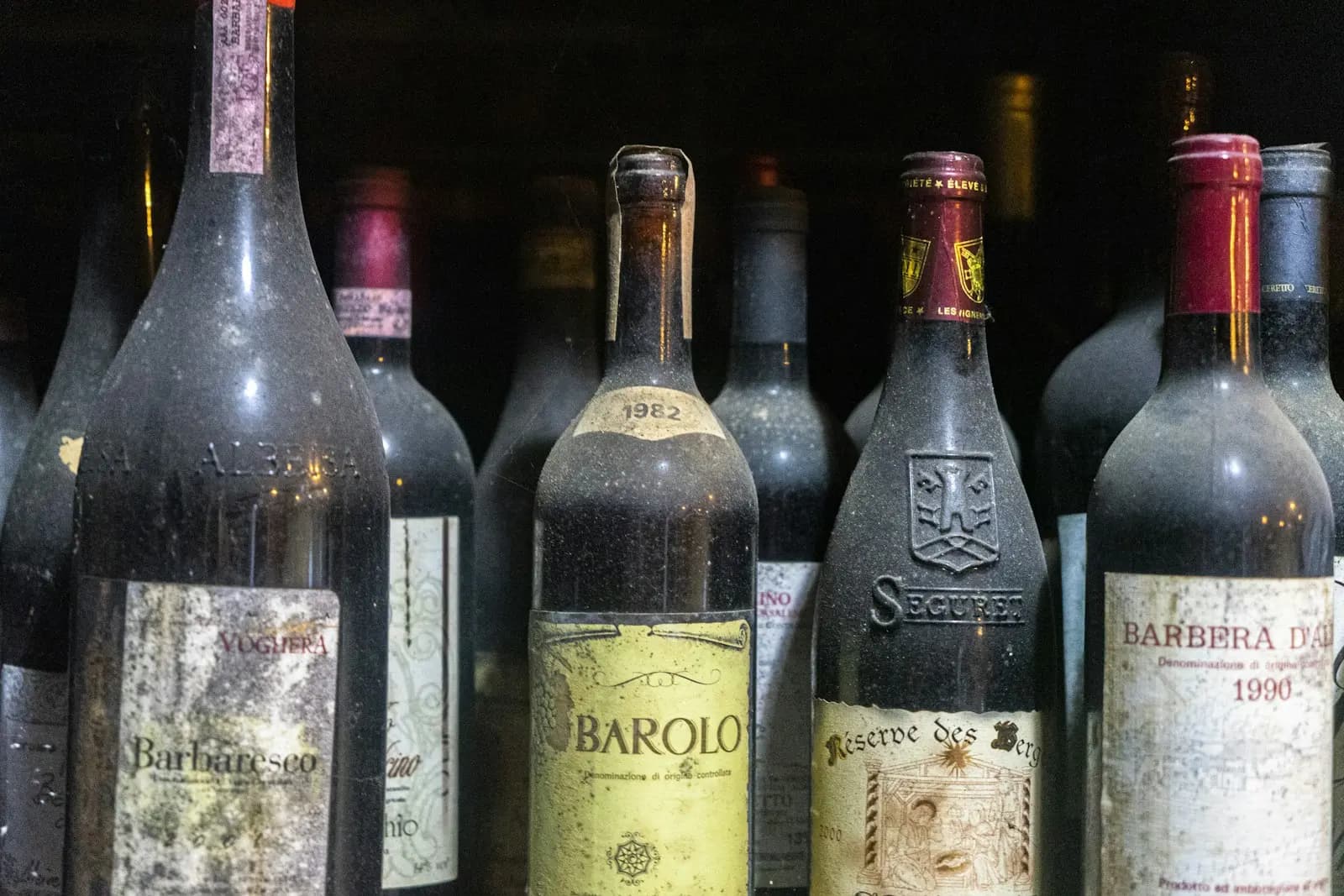
Old, dusty bottles of Barolo and Barbaresco in a cellar.

A bottle's stages, as Bouchons shows them

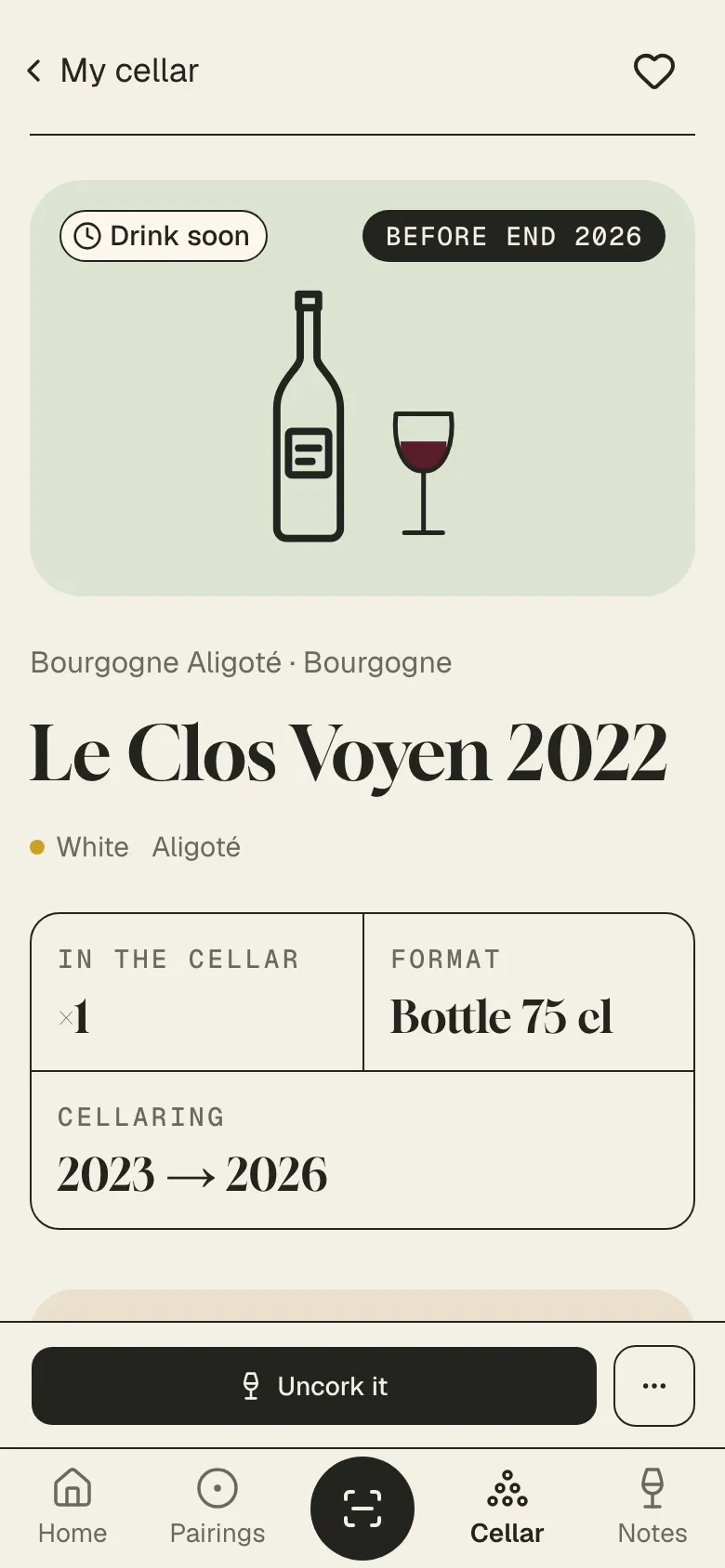
In Bouchons, each bottle has a drinking window: a start year, a peak year and an end year. Depending on the current year, it goes through several stages, always named with the same words.

Too young: the window hasn't opened yet, better wait. Ready: the wine is good to drink and still moving towards its peak. At peak: this is the year it should be at its best. Drink soon: the peak has passed, the window is still open, time to think about it. Past its window: the window has closed. The bottle may still surprise you nicely, but it won't wait any longer.

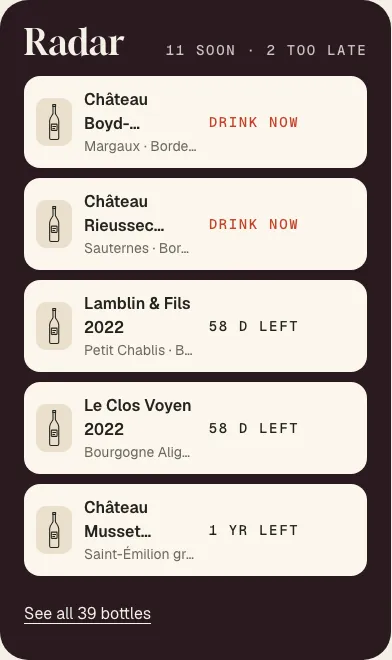
On the home screen, your bottles are sorted into three groups: Open first, Ready to drink and Let them sleep. A timeline shows each wine's window, its peak and the current year as a dotted line. You see at a glance what deserves opening tonight and what can wait. To choose according to what you're cooking, go through food and wine pairing.

If you like, a monthly email reminds you of the bottles reaching their peak during the year. You can switch it off from your account whenever you want.

The Bouchons home screen: the "Open first" group, with each bottle's drinking window on a timeline.

How Bouchons estimates the drinking window

When you add a bottle, Bouchons has the wine analysed by an AI, Claude, from the photo of the label or from what you typed: producer, cuvée, appellation, vintage. The analysis suggests a drinking window with its peak, a short note on how the wine will develop, its grape varieties and pairing ideas. The scan is explained on the label scan and import page.

These values are marked "Suggested". They're estimates: nobody knows a bottle's future to the year. You may know this wine better, you tasted it last year, your wine merchant told you something else. Change the window: it's marked "Changed by hand", and Bouchons will never overwrite it. You can go back to the suggestion whenever you like.

If no window can be estimated, the bottle goes to "Window to set" until you give a vintage or a window. The analysis is included in the free plan, up to a number of analyses per month, and unlimited with Plus. The details are on the pricing page.

A bottle's page in Bouchons on a phone: drinking window, peak and tasting note.

How Bouchons handles it

  1. Add the bottle

    Photograph the label, or type the wine and its vintage, from your phone or your computer, with nothing to install.

  2. Check the suggested window

    Bouchons suggests the start, peak and end of the window. Keep it or change it: your choice always comes first.

  3. Open at the right time

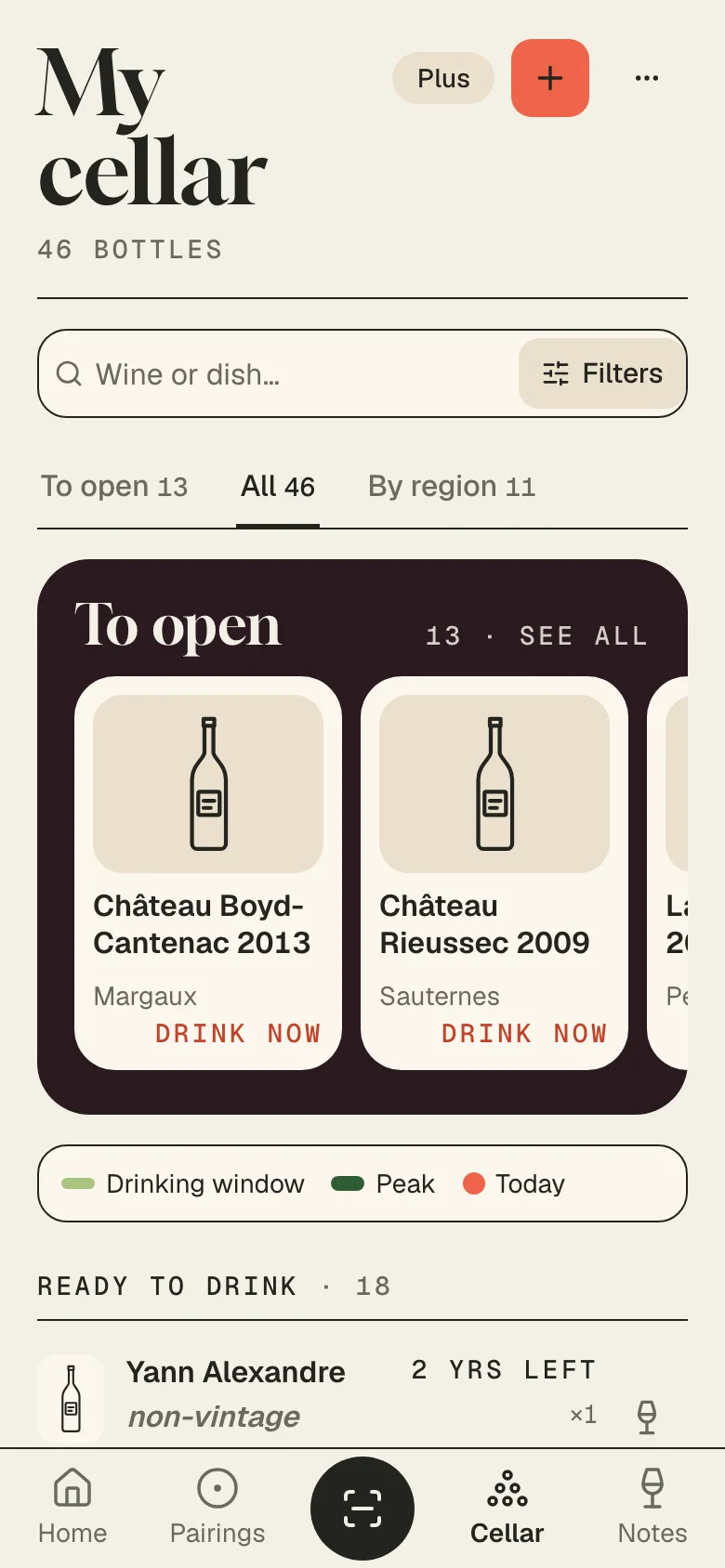
    The home screen sorts your bottles by urgency. Those that won't wait much longer come first.

My cellar in Bouchons on a phone, bottles grouped by when to open them.

Frequently asked questions

Tonight, open the right one.

Free up to 10 bottles. No credit card.